It all started wheN …
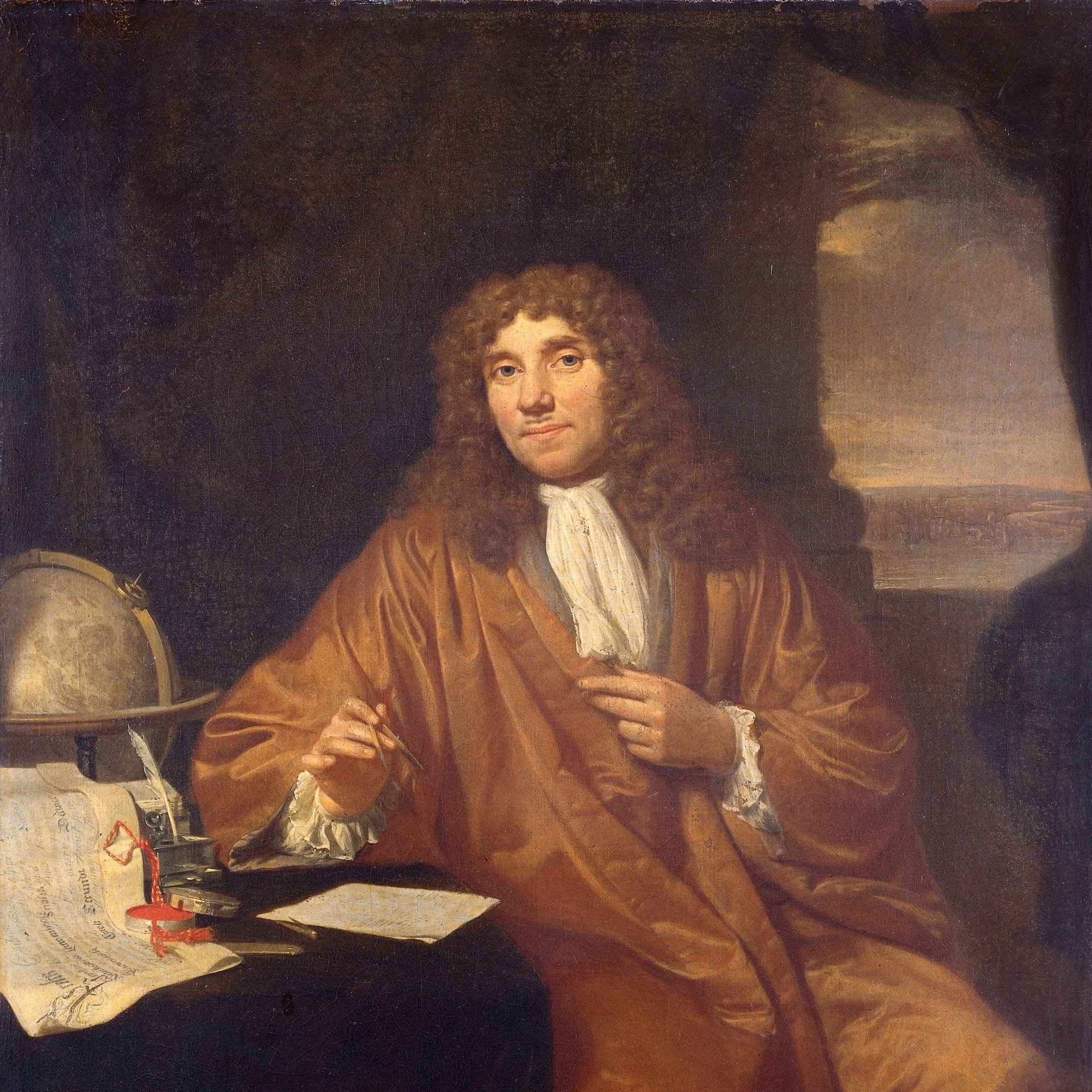
Antonie van Leeuwenhoek – a Dutch merchant with no fortune or university degree - sent a letter to the Royal Society of London in 1683, with the first description of a single-celled organism. The date was September 17, the day that since 2017 was chosen to celebrate the International Microorganism Day.
This improbable scientist displayed infinite curiosity, being a patient and tireless worker, gifted with extraordinary power of observation. He built and developed his own microscopes (hundreds of them!), perfecting the lenses of his optical system and thus making it possible to obtain extraordinary amplifications, well ahead of his time, and to observe and describe, for the first time, microorganisms. In this famous letter, an exquisite description was made of the first observation of living bacteria present on the dental plaque, which was accompanied by drawings of the microorganisms observed and their movements. Finally reaching microscopic life, the foundations of Microbiology were laid.
meet our mascots
A vibrant cast of creative microbes whose downloadable designs can be used across events and materials, audiences love engaging with these mascots for their fun, memorable way of bringing microbiology to life alongside national and international scientists in the field.

SACA
Meet Saca… the smiley mascot from International Microorganism Day. Saca is inspired by Saccharomyces yeasts! Yeasts are fungi but are typically composed of a single cell. They are quite useful to us, since they help us produce bread, beer and wine!
Although Saca looks amicable, some yeasts are not that friendly. Candida albicans, for example, can cause infections in humans, such as candidiasis!

bac
Meet Bak … the angry looking mascot from International Microorganism Day. Bak is inspired by bacteria from the Bacillus genus (from the latin, “stick”), which are typically rod-shaped. Among the many famous bacteria of this genus are Bacillus anthracis, the agent of anthrax, and Bacillus cereus, a nasty bug causing food poisoning.
Still, do not let Bak fool you with its menacing look. Many bacteria play key protective roles in our bodies such as on our skin, in our airways, and in our digestive tract!
riso
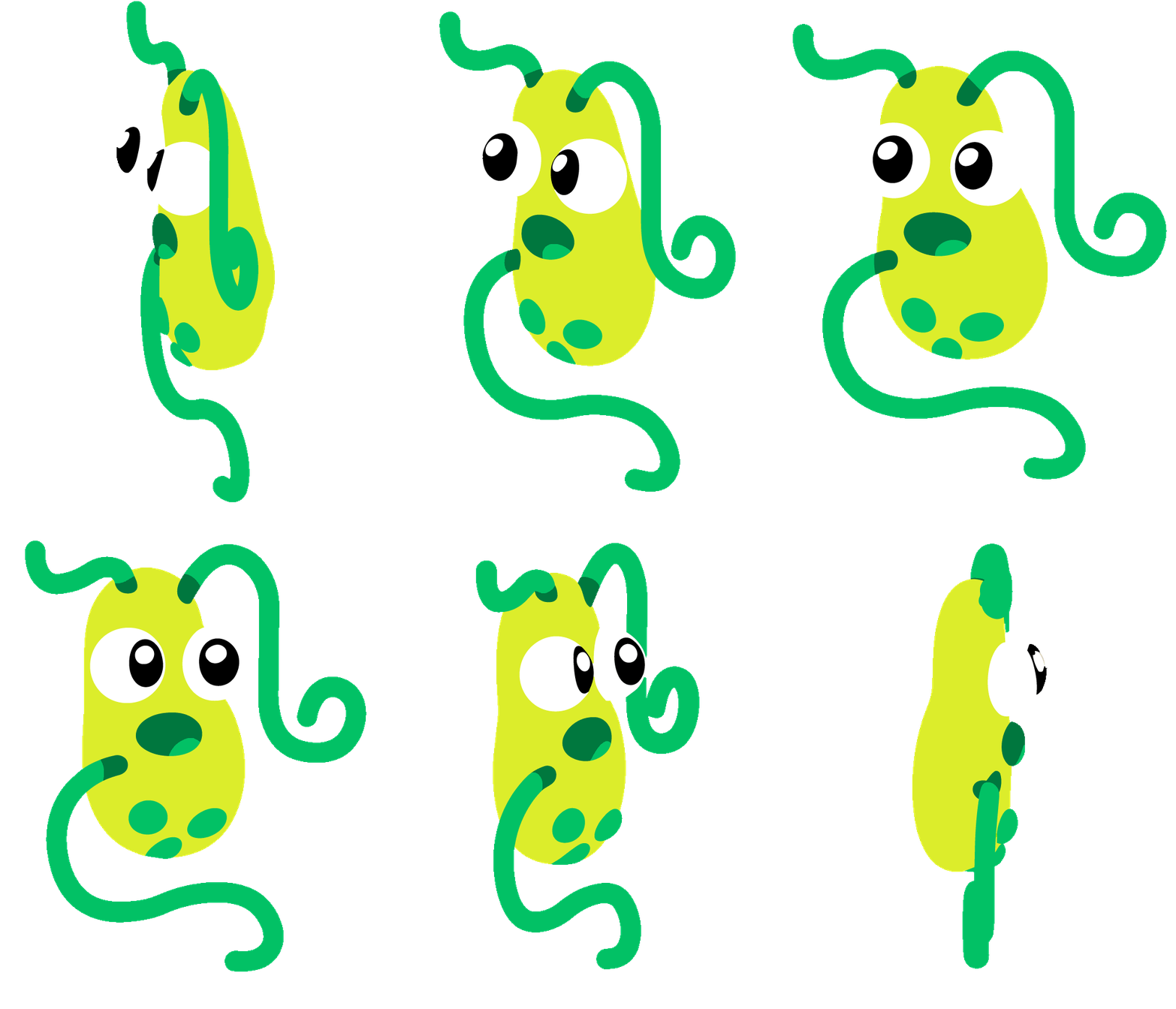
Rizzo is the new mascot for IMD 2021, and it is the winning design for the IMD Mascot Art Competition. It is inspired by rhizobia, a group of bacteria that establishes symbiotic relationships with legume plants. Legumes supply nutrients to rhizobia, whereas these bacteria fix nitrogen gas from the atmosphere and supply it in forms that the legume plants can use.
“Rizzo the Rhizobium is every legume’s little helper in lean times. In return for a cosy root nodule to live in and a bite to eat, Rizzo will fix the problem (and some nitrogen!)” Eliza Wolfston

gillus
As the International Microorganism Day is growing, Saca and Bak were having a hard time keeping up with all the work! So, for the IMD 2020 edition, their good friend Gillus came to give them a hand! Gillus is inspired by the filamentous fungi (usually called moulds) from the genus Aspergillus.
This fungus usually grows on decaying vegetation and dead leaves and most of us encounter them on a daily basis. It can cause aspergillosis, a disease mostly restricted to immunocompromised individuals.
We aim to teach and provide a platform, both online and offline, for microbe lovers around the world to share their passion and knowledge of the microbes in our daily lives.