
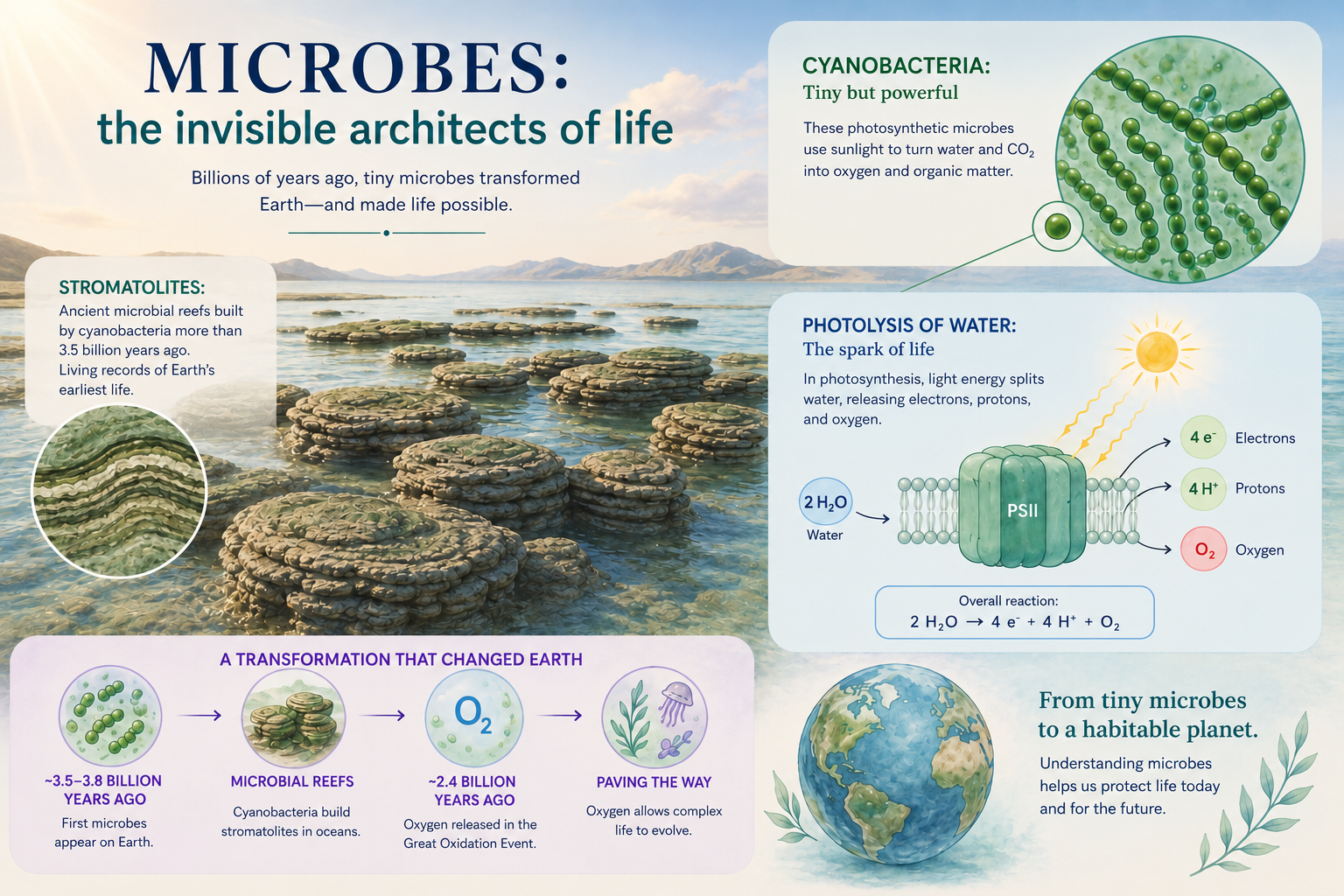
Microbial literacy: a foundation for critical thinking and sustainable future
In an age of misinformation, climate uncertainty, and complex global challenges, fostering critical thinking has never been more important. One powerful yet often overlooked pathway to developing these skills is microbial literacy—an understanding of the microbial world and its profound influence on life, health, and the planet —which of course is the main goal of International Microorganism Day.
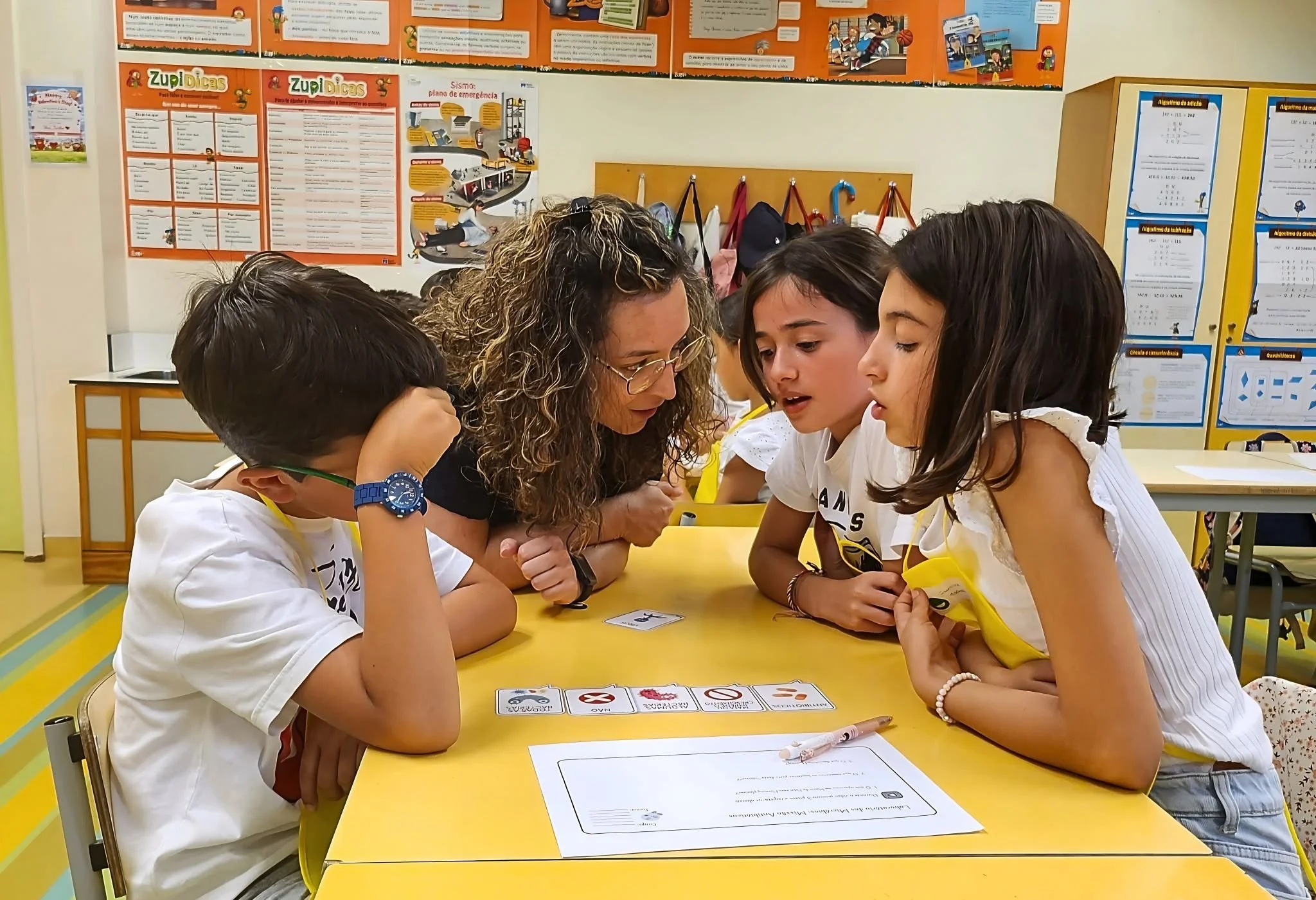
Before the first prescription: why antibiotic literacy should begin in primary school
In Armamar, Portugal, children who began by exploring the invisible world of bacteria are now asking why some bacteria survive exposure to an antibiotic. A municipality-wide program is showing what becomes possible when microbiology does not end with a single workshop, but returns, deepens and grows with the children.
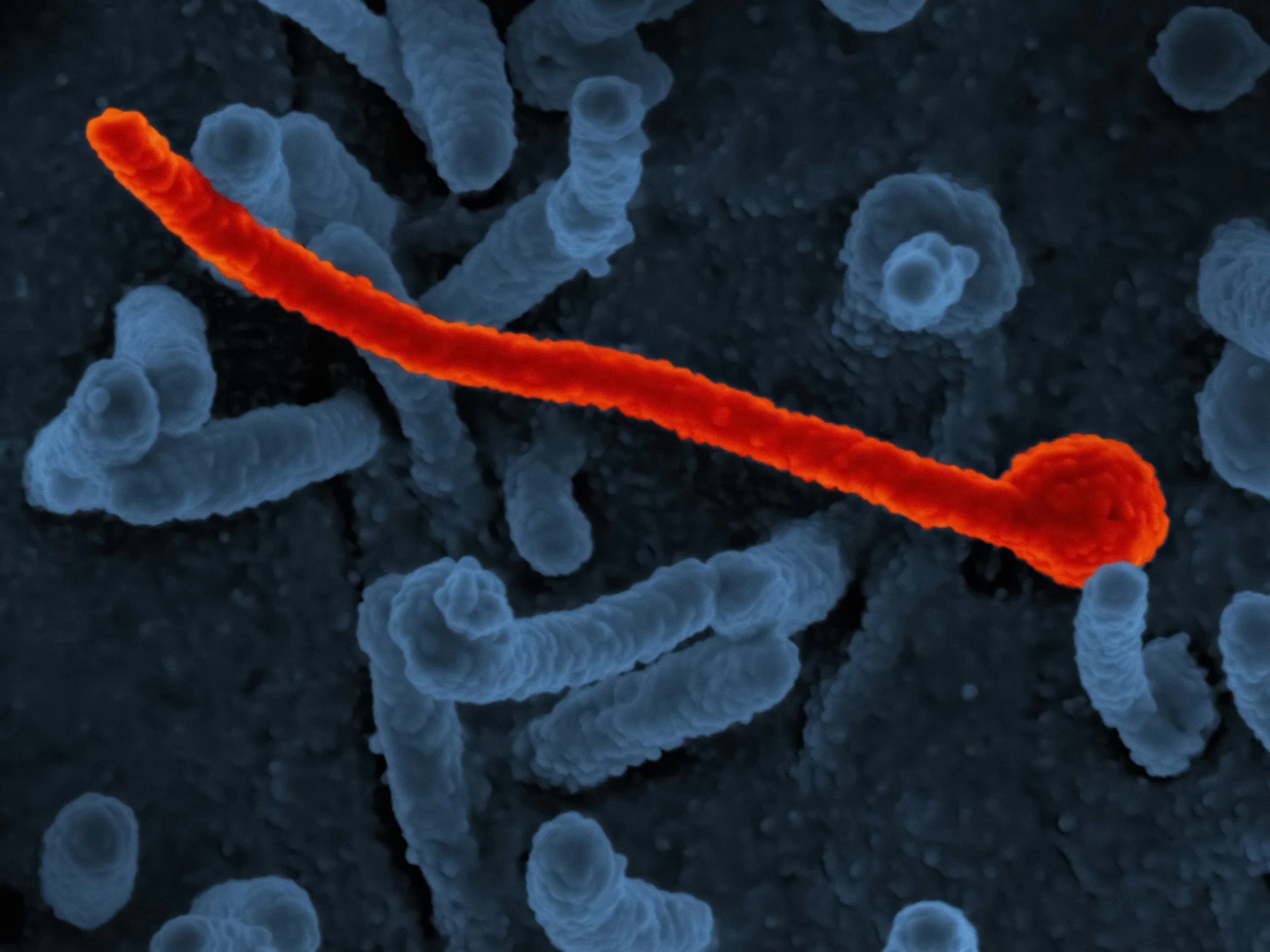
Predatory Microbes: Hunters, Hijackers, and Helpers
When we think of predators, lions, wolves, or birds usually come to mind. But predation is not limited to the animal kingdom. Microbes, too, can hunt and manipulate their prey. From bacteria that consume other microbes to fungi that turn ants into zombie-like creatures, microbes use an enormous arsenal of strategies to survive.
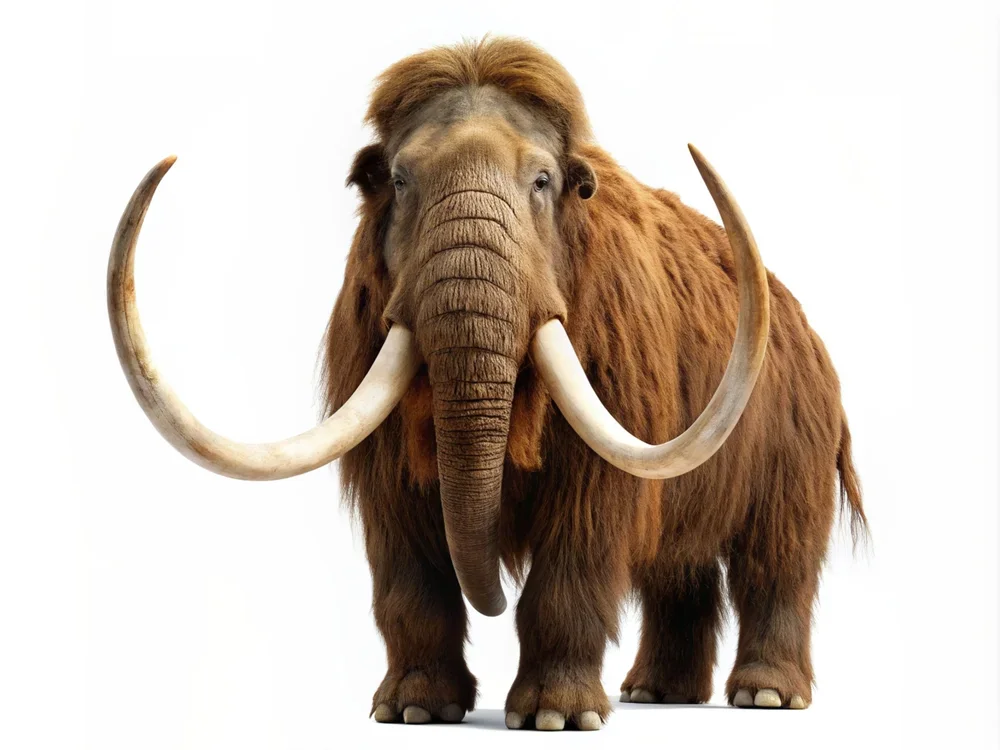
Finding Antibiotics in Unexpected Places - Medicine from Mammoths?
New antibiotics may come from unexpected sources, including ancient DNA. From microbes to mammoths, researchers are using AI to uncover novel antimicrobial compounds to combat resistance.
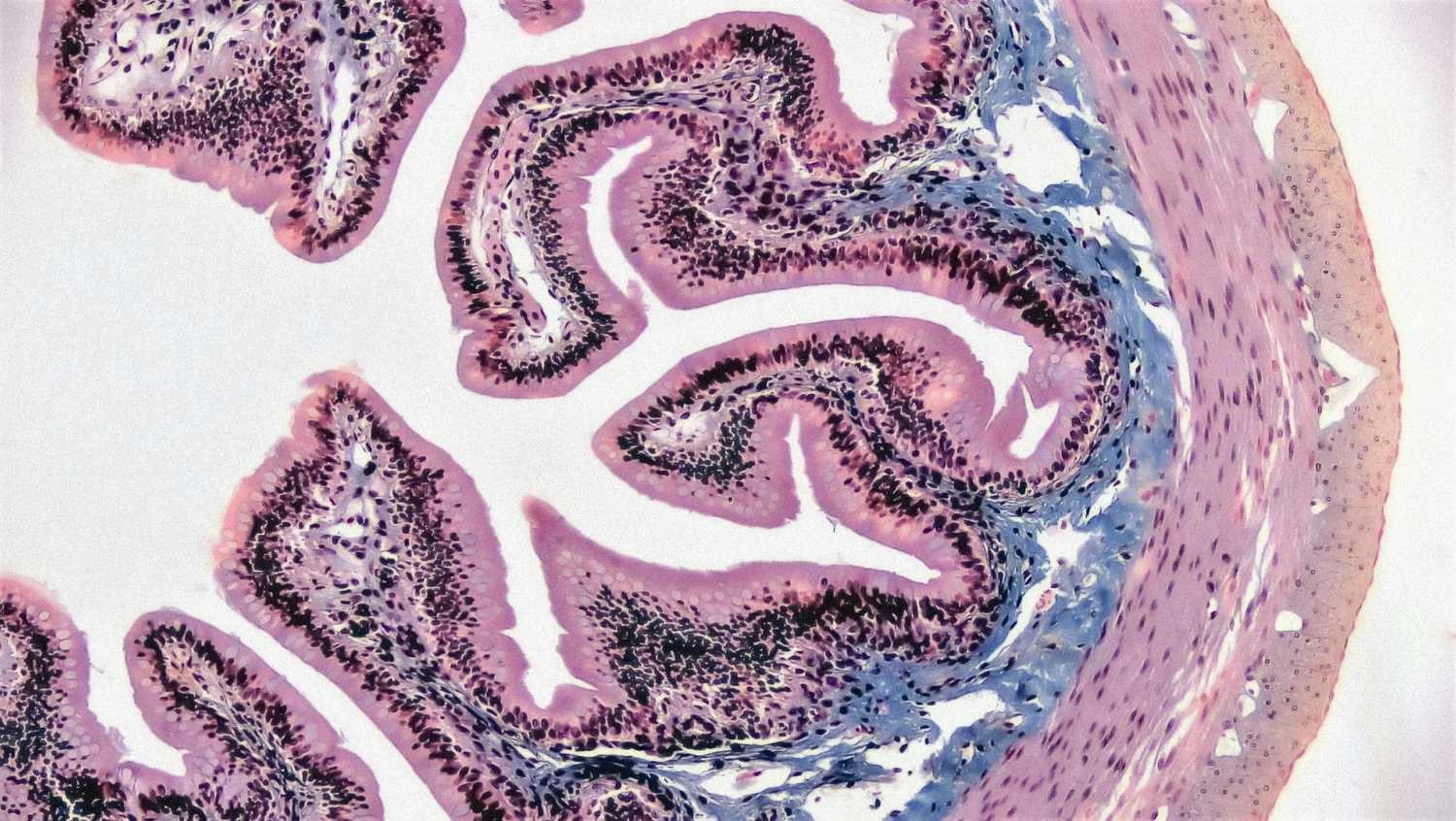
The gut might tell the story of rising colorectal cancer in young adults
Many news outlets have a reported a huge rise in early-onset colorectal cancer among Millenials and Gen Z. Maybe we can provide some context to this; bacteria that causes this, best practices to prevent.
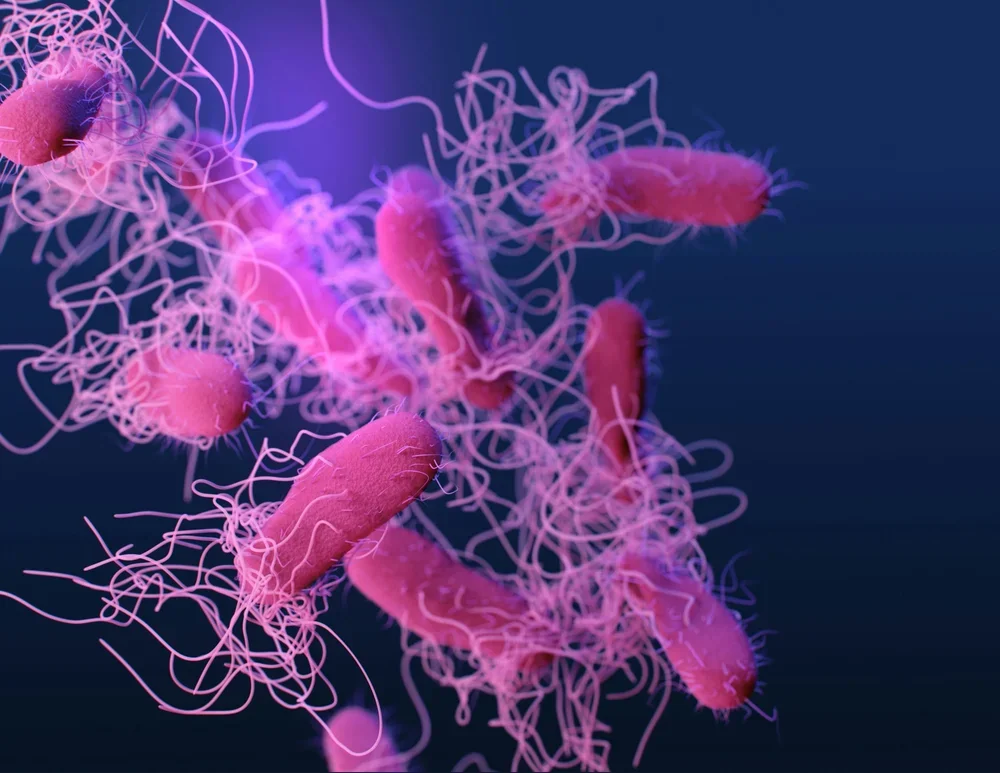
How do microbes move through the world?
Microbes are constantly on the move. Despite their size, their journeys are anything but simple. Microbes navigate their environments using specialized structures and strategies to find food, escape danger, and colonize new territories.
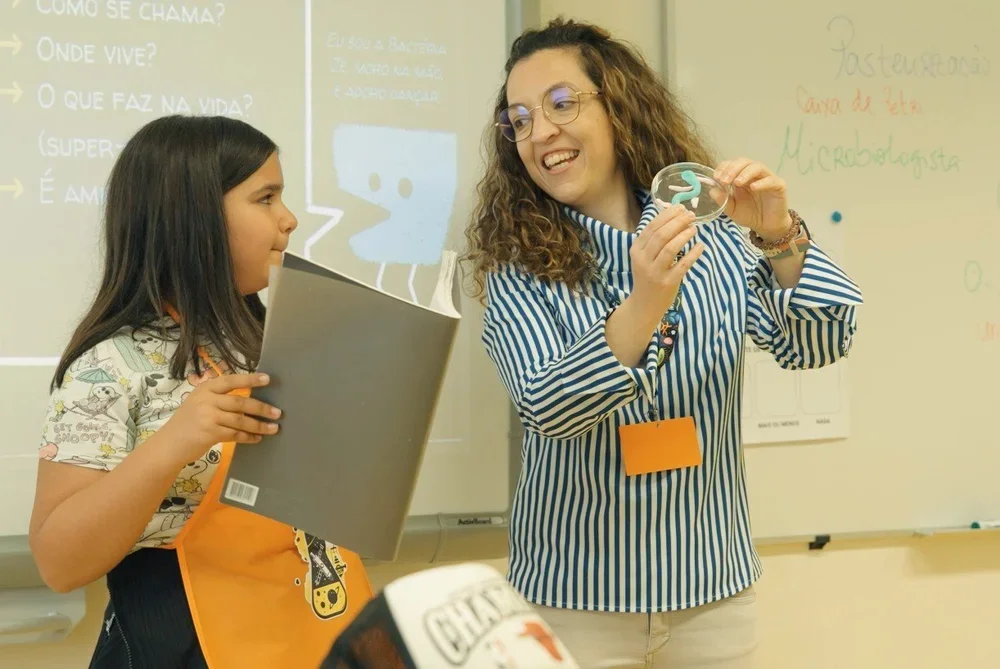
What if every child could explore microbiology in their classrooms?
Hands-on microbiology workshops in a rural Portuguese school gave every child direct access to science. The result is a scalable model to reduce inequalities, spark curiosity, and reshape how children see science and their place within it.
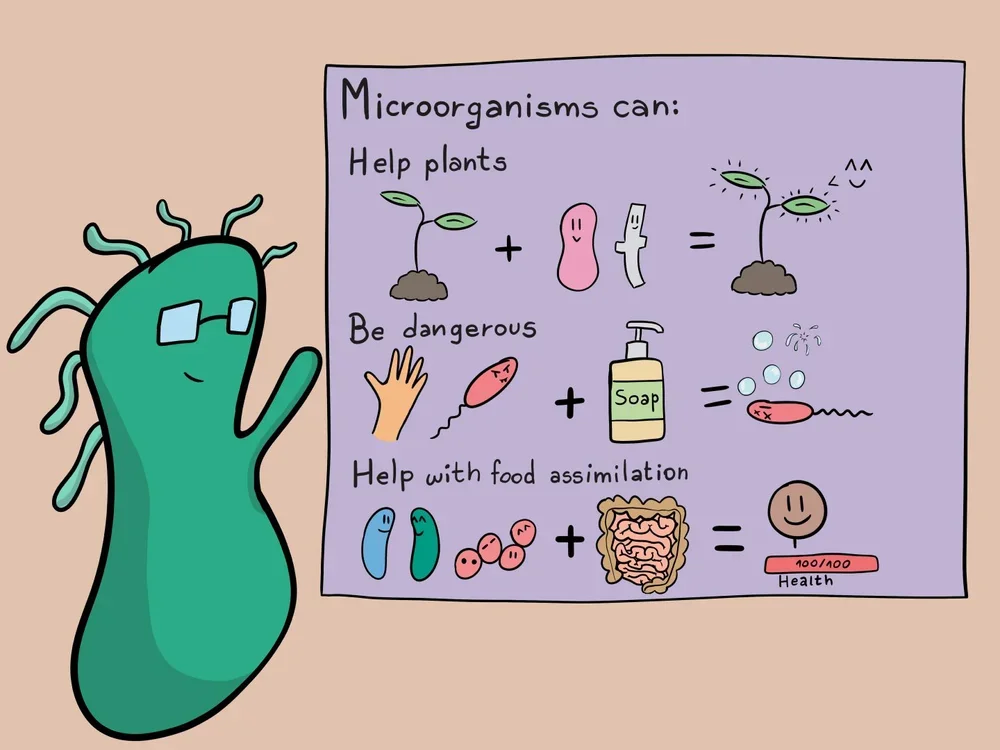
Exploring the Wonders of Microbiology: Inspiring Kids through Education
Introducing kids to the captivating field of microbiology can ignite their scientific curiosity, promote health and hygiene practices, and instill a sense of environmental awareness.
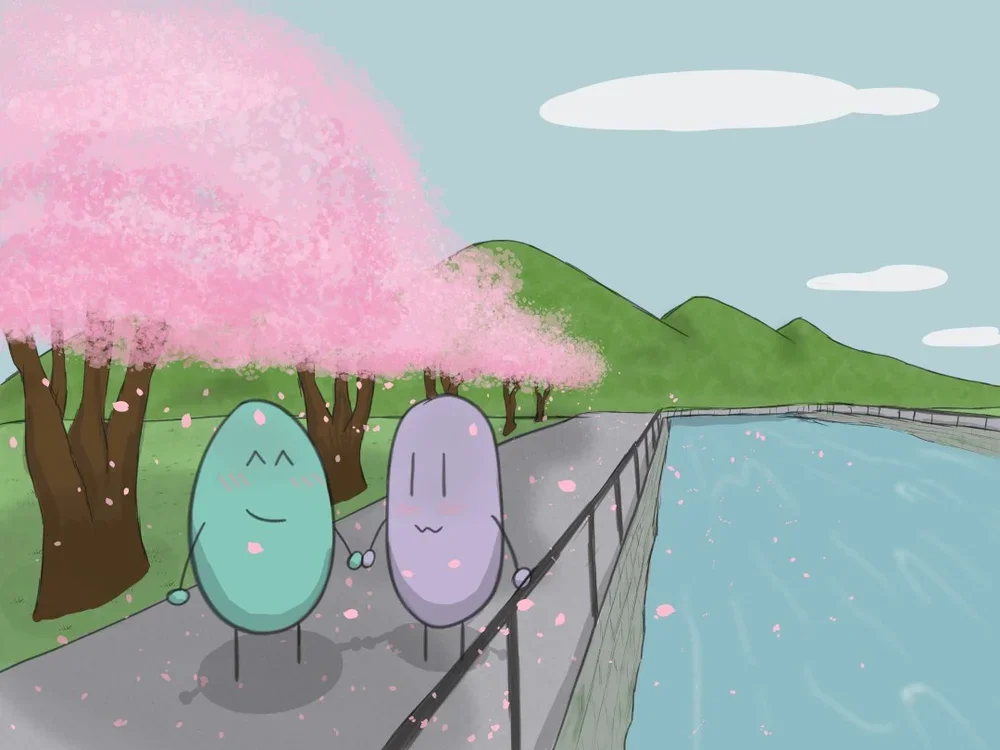
Microbial Connections: The Bizarre World of Microbe Matchmaking
Quotes like these have proven to be true throughout the years, especially after the recent COVID-19 pandemic, where most people suffered the effects of being isolated. More than that, social life has helped our ancestors to survive and was the key to the success of early humans. However, when we consider microorganisms, is it possible to talk about the social life of microbes?
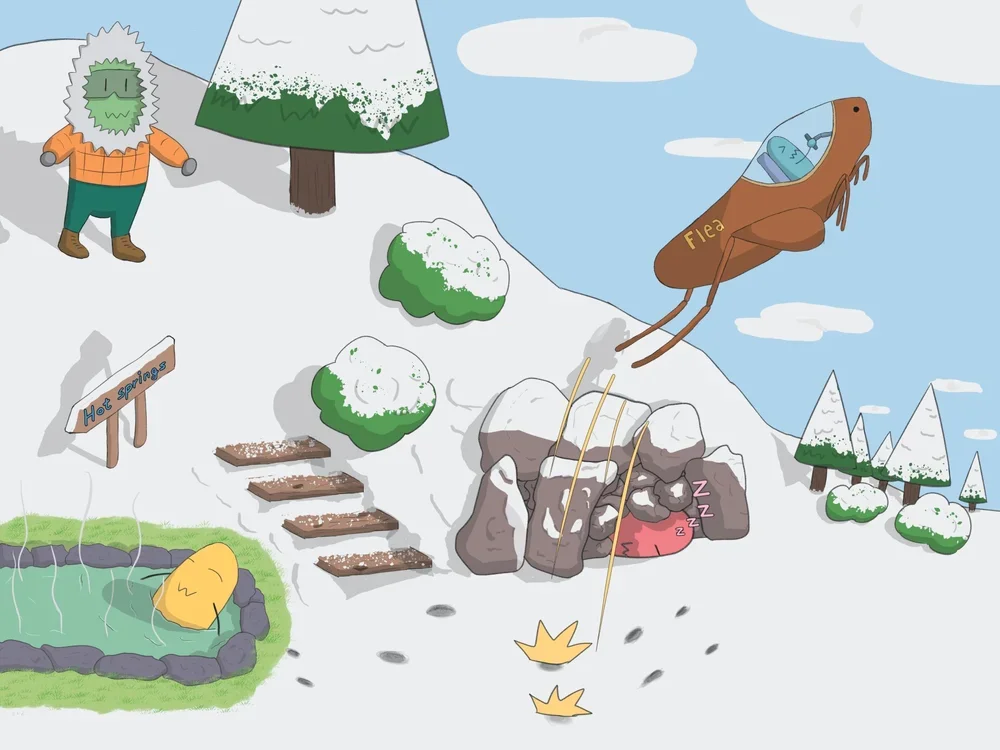
Extreme Sport Champions: Humans or Microbes?
No doubt, a human needs a high degree of fortitude to handle the heat of a Marathon in the Sahara, the freezing cold of ice climbing, or the squeezing barometric pressure at great depths in freediving. Yet whenever I see one of these elite and somewhat crazy athletes, I find myself asking “Are they tougher than a microbe?
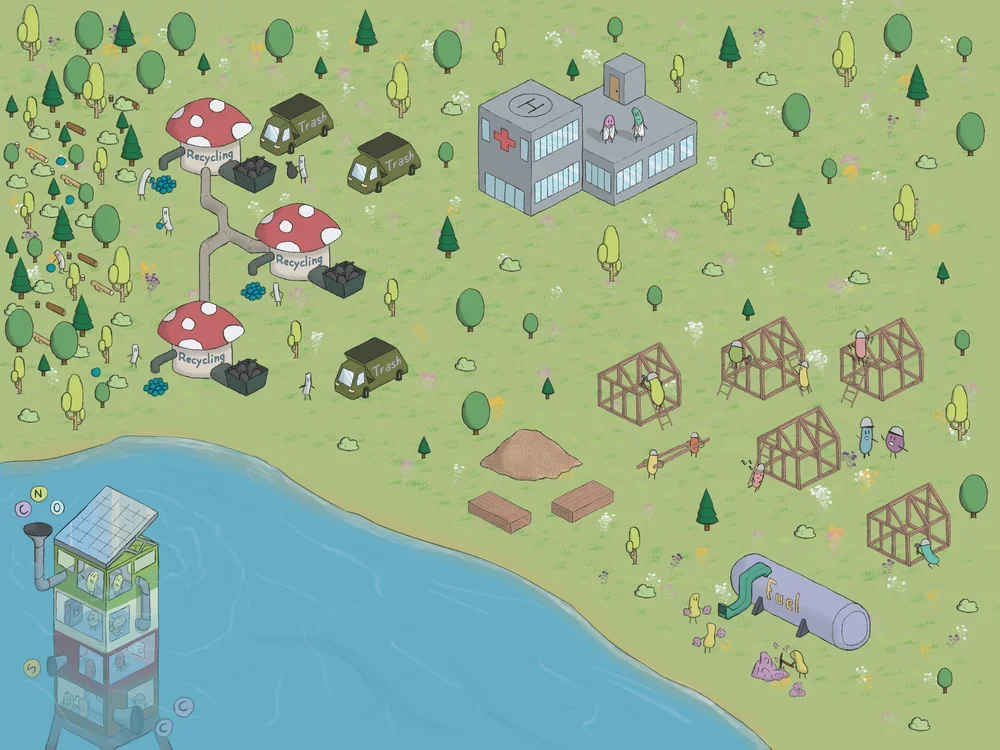
Nature’s Tiny Engineers: Building Structures on a Microscopic Scale
Nature is full of intricate and complex structures, from firmly placed and lofty mountains to delicate flowers. But not all structures are visible to the naked eye. In fact, some of the most fascinating and intricate structures are built on a microscopic scale by nature’s tiny engineers- microbes.
Lifelong Friendships: Why Meeting Microbes is good for your baby’s gut health
I want to tell you another story, the story of how babies get acquainted with tiny invisible friends that will be with them for life. I am talking about the multitude of microorganisms, that make our bodies their home as soon as we see the light
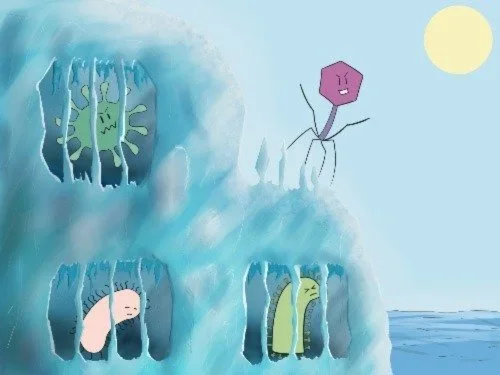
Frozen Microbes: Glaciers as Archives of Ancient Microbial Life
We are all an unfortunate witness to the conspicuous melting of glaciers (Fun fact: there are 200,000 of these land-based glaciers on Earth!) as a result of climate change, bringing forth an array of consequences to us, our planet and its inhabitants, perhaps even at the cost of possibly losing an archive holding the secrets of microbes and phages that could be as much as 15,000 years old!
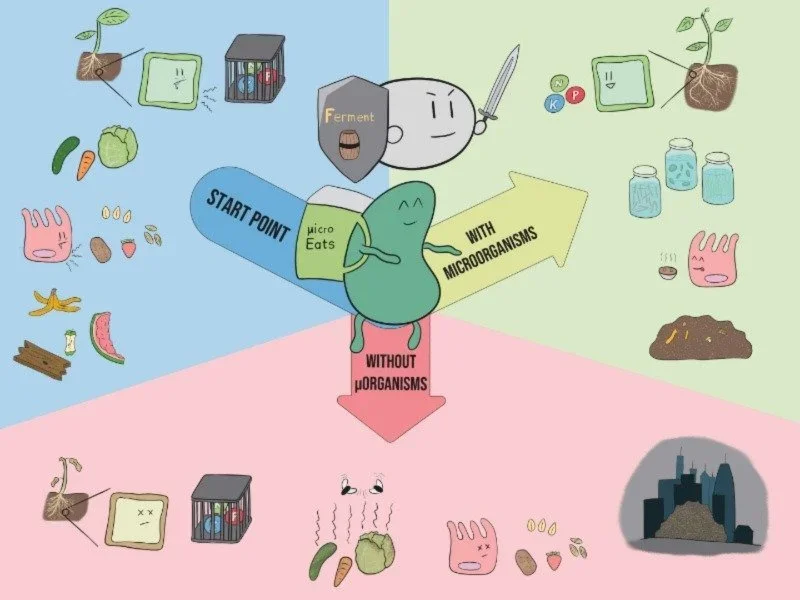
What if all microbes disappeared from the Earth?
Have you ever imagined what would happen if microbes suddenly disappeared? You may think that it would be a miracle to get rid of all those nasty little invisible beings, that we would finally take off masks for good (and forever). However, I must warn you: indeed, losing microbes could be our very end. Let me explain to you why.
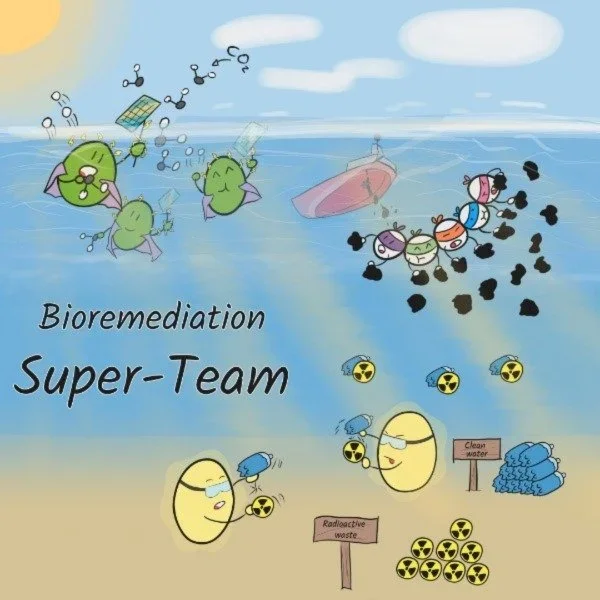
Microbes to the Rescue: Shaping and Saving the future
The year is circa 347, the world is green and full of life and man has just discovered the natural energy resource by successfully drilling for oil. A discovery that would not bear the weight of its fruits until years later.
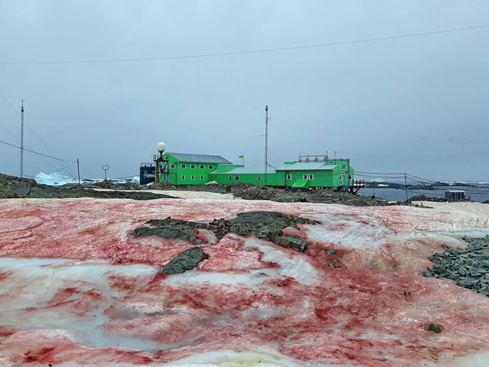
Blood Rain, Blood Snow: Curse or Science?
Discover the wondrous phenomenon that took place in times long past - blood rain and blood snow.
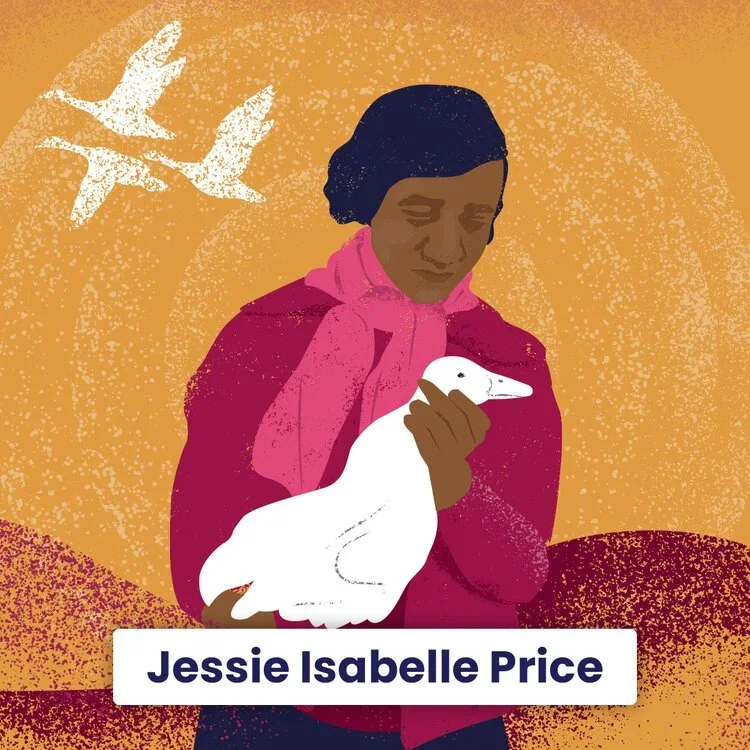
Celebrating 8 Black Microbiologists Throughout History
Throughout history, in every field and every aspect there are unsung heroes and heroines who shaped the world we live in today. Many had to overcome barriers we can hardly even fathom. But it was their courage, resilience, and determination in the face of racial and gender discrimination that ultimately moved the field of microbiology to where it is today.
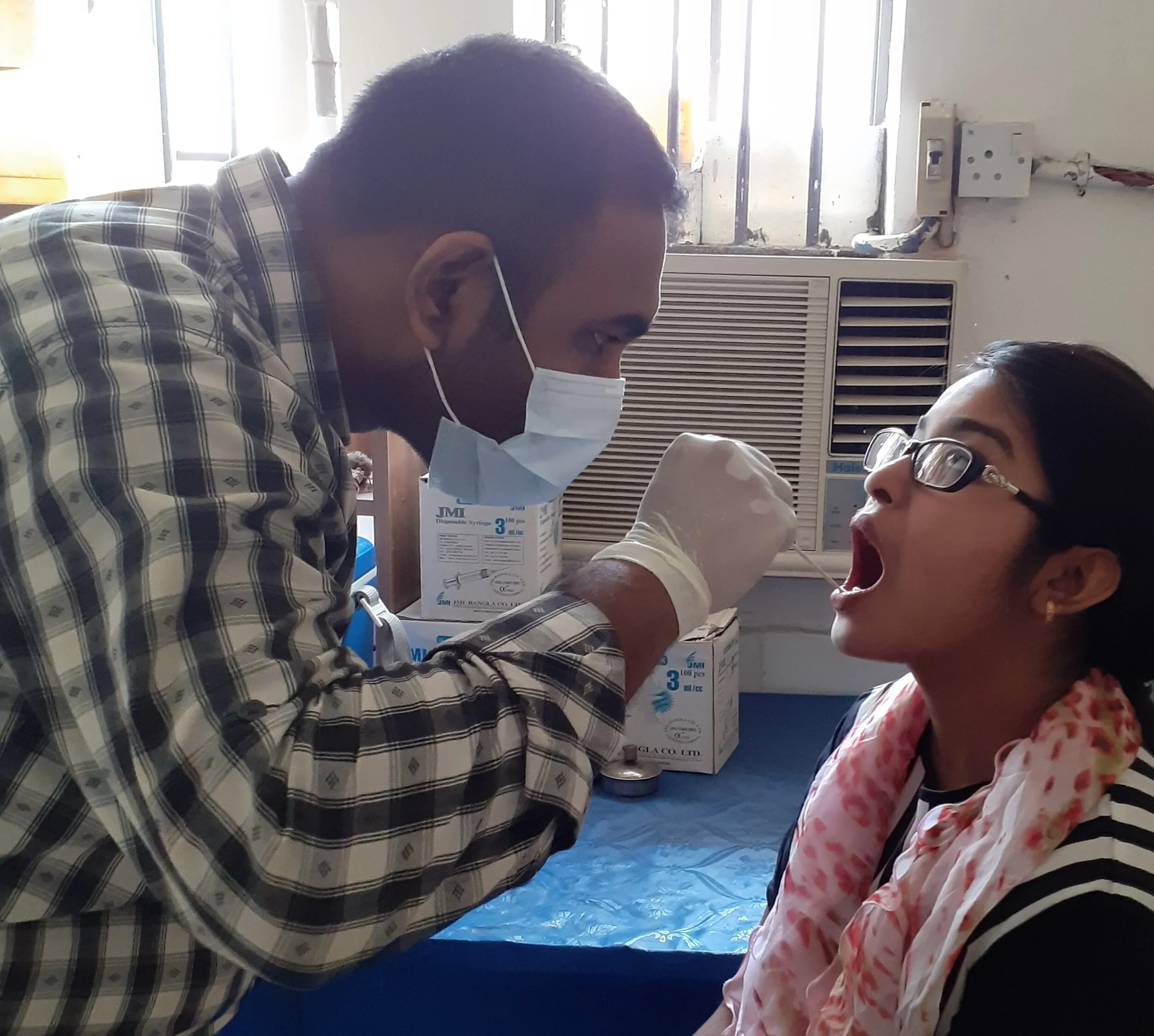
Synergistic Association of Candida albicans and Streptococcus mutans in the oral cavity
Blog written by Dr.A K M Shafiul Kadir looks more closely into the synergistic interaction of Streptococcus mutans and Candida albicans in the oral cavity

Why microorganisms have their international day!
Microbiology has jumped into the mass media and has been in the spotlight around the world. The public health crisis caused by the new coronavirus has shown the need for governments and society in general to pay microorganisms due attention.
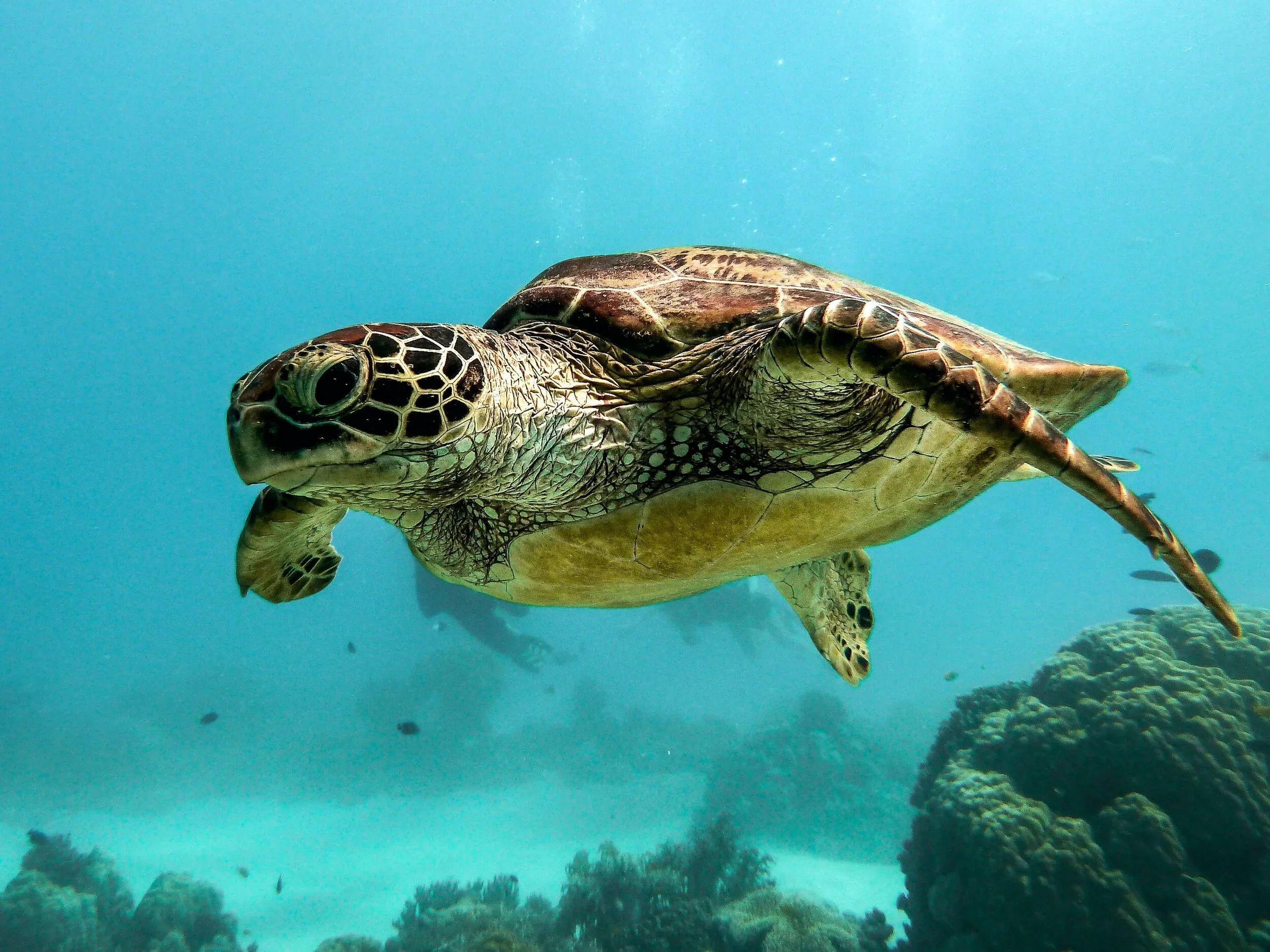
What can we learn from microbial jungles carried by sea turtles?
Today we know that turtles do not hold the entire world on their backs. However, such myths are true in a microbial sense! Sea turtles are home to microbial jungles on their shell.